-
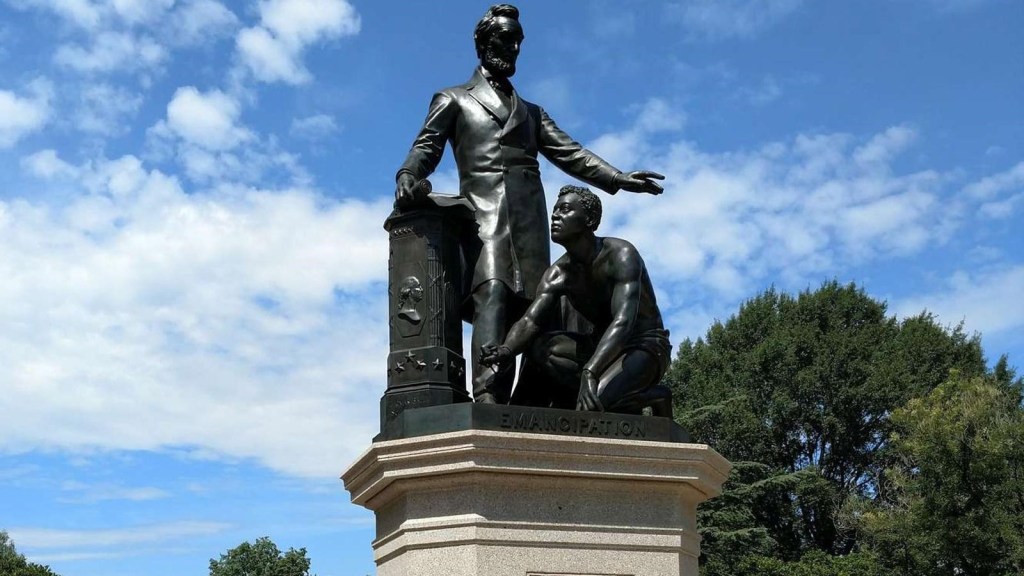
The Thirteenth Amendment to the United States Constitution abolished slavery and involuntary servitude, except for punishment of a crime. On October 20, 1940, the U.S. Postal Service issued a 3 cent postage stamp with the image of that Monument. The Emancipation Monument served as the primary national memorial to Lincoln in DC until 1922, when the Lincoln Memorial…
-
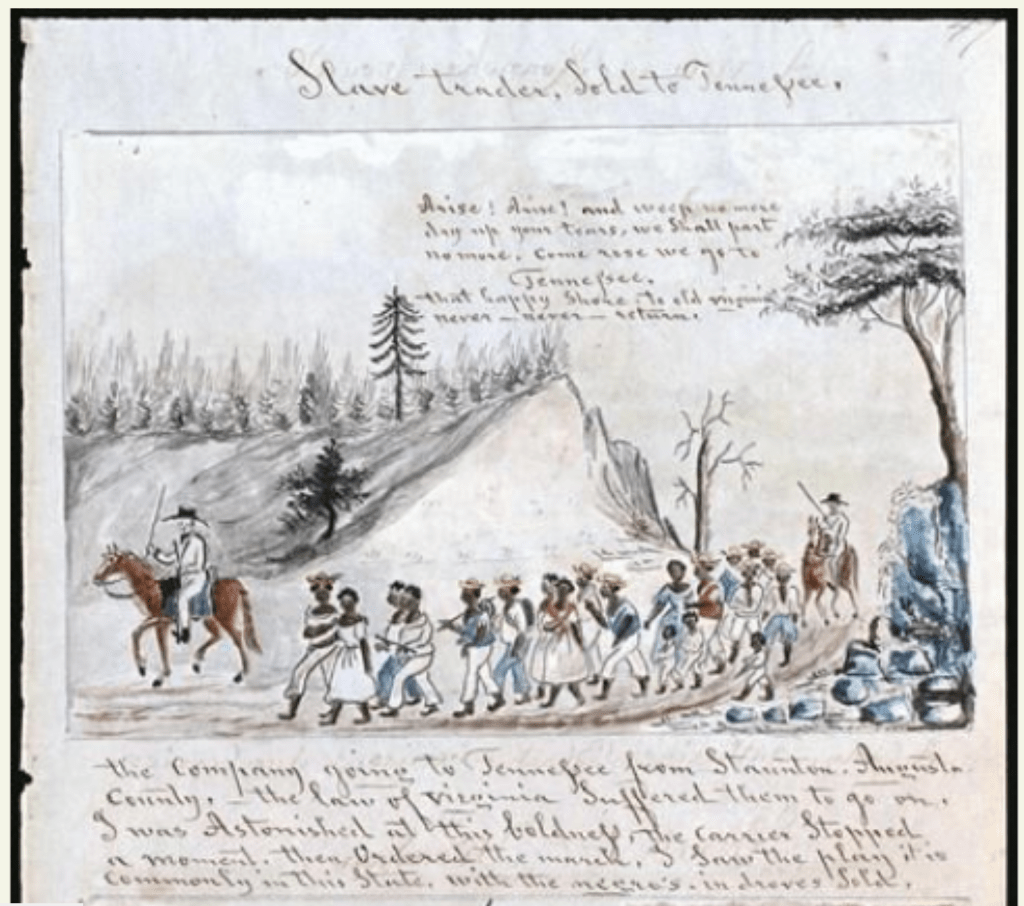
Journal entry September 12, 1829 Passed by the spot where two negro traders had been murdered by their chained slaves 2 or 3 weeks before. The torn fragments of their clothes were scattered about, the bushes beat down, the grass and leaves torn up, and other marks of a violent contest. Seven of the negroes…
-

On September 24, 1863, a St. Louis newspaper announced “Archer Alexander, a negro … whose last master was Richard Hickman Pitman of the County of St. Charles…is hereby declared to be an emancipated slave and a free man!
-

Since this story first aired, the site of freedom seeker’s Archer Alexander’s burial has been listed on the National Underground Railroad Network to Freedom….
-
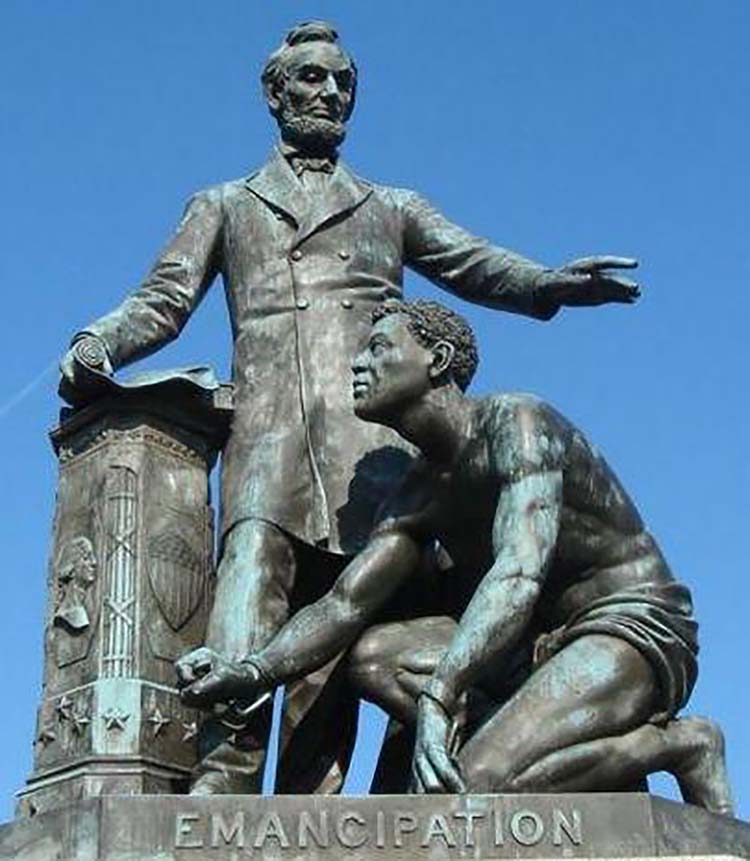
The controversial Emancipation Memorial in Lincoln Park in Washington DC with President Abraham Lincoln includes Archer Alexander, an enslaved man seen rising in freedom given by the Emancipation Proclamation, first announced on this date…
-
Sharing a recent story in Missouri Life Magazine about Archer Alexander …
-
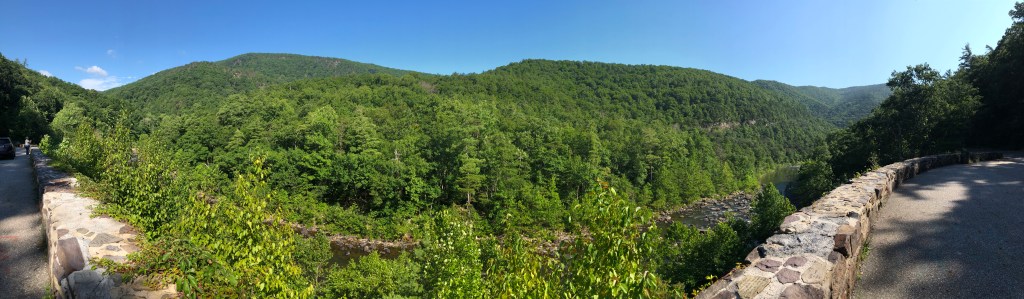
In 2019, I retraced the steps of Archer Alexander as he was brought from Virginia to Missouri, with his wife Louisa, and his son Wesley. They had spent over eight weeks traveling over 1,000 miles, a trip that can be made today in less than 11 hours.
-
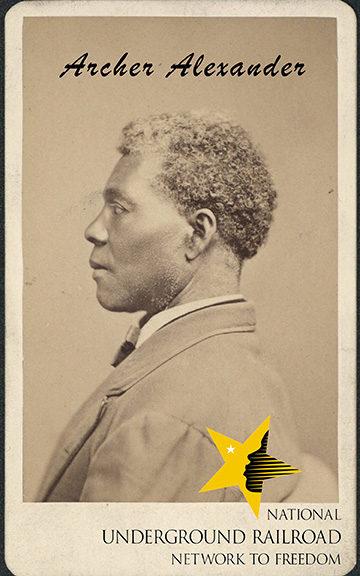
Archer Alexander was the last fugitive slave captured in Missouri, and received his freedom on September 24, 1863, for his important services to the United States Military (Union) after informing them of a plot to destroy a local railroad bridge. He saved hundreds of lives, and a vital link conveying troops, funds and supplies for…
-
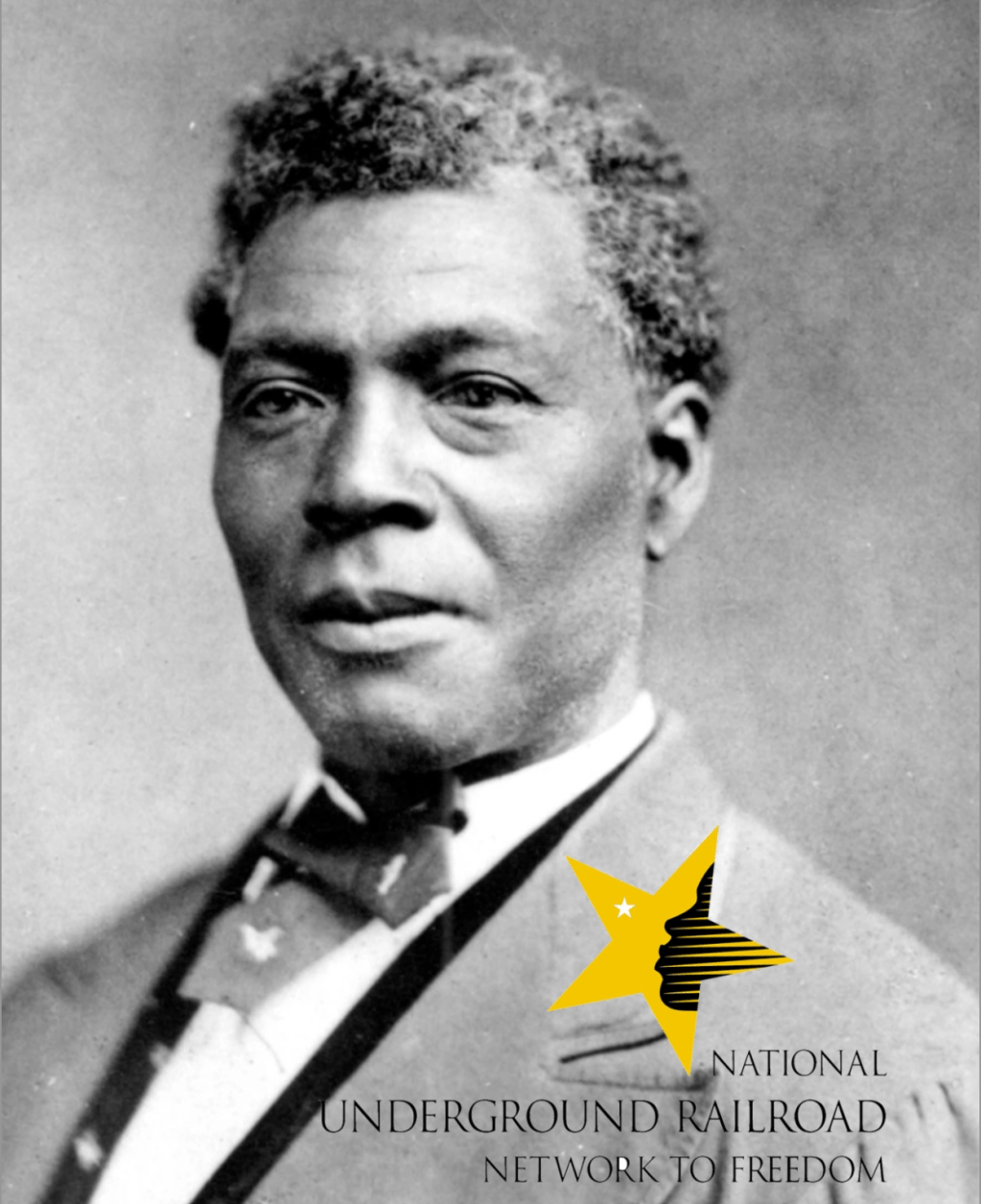
National Park Service adds the Archer Alexander and the Underground Railroad to the National Underground Railroad Network to Freedom Program
-
Originally called the Freedom Memorial, the Emancipation Memorial, still stands today in Lincoln Park, in Washington, D.C. The Memorial to President Abraham Lincoln, dedicated on April 14, 1876, was the first memorial to Lincoln erected by the formerly enslaved in grateful appreciation for the Emancipation Proclamation. The enslaved man seen with Lincoln was a real…
-
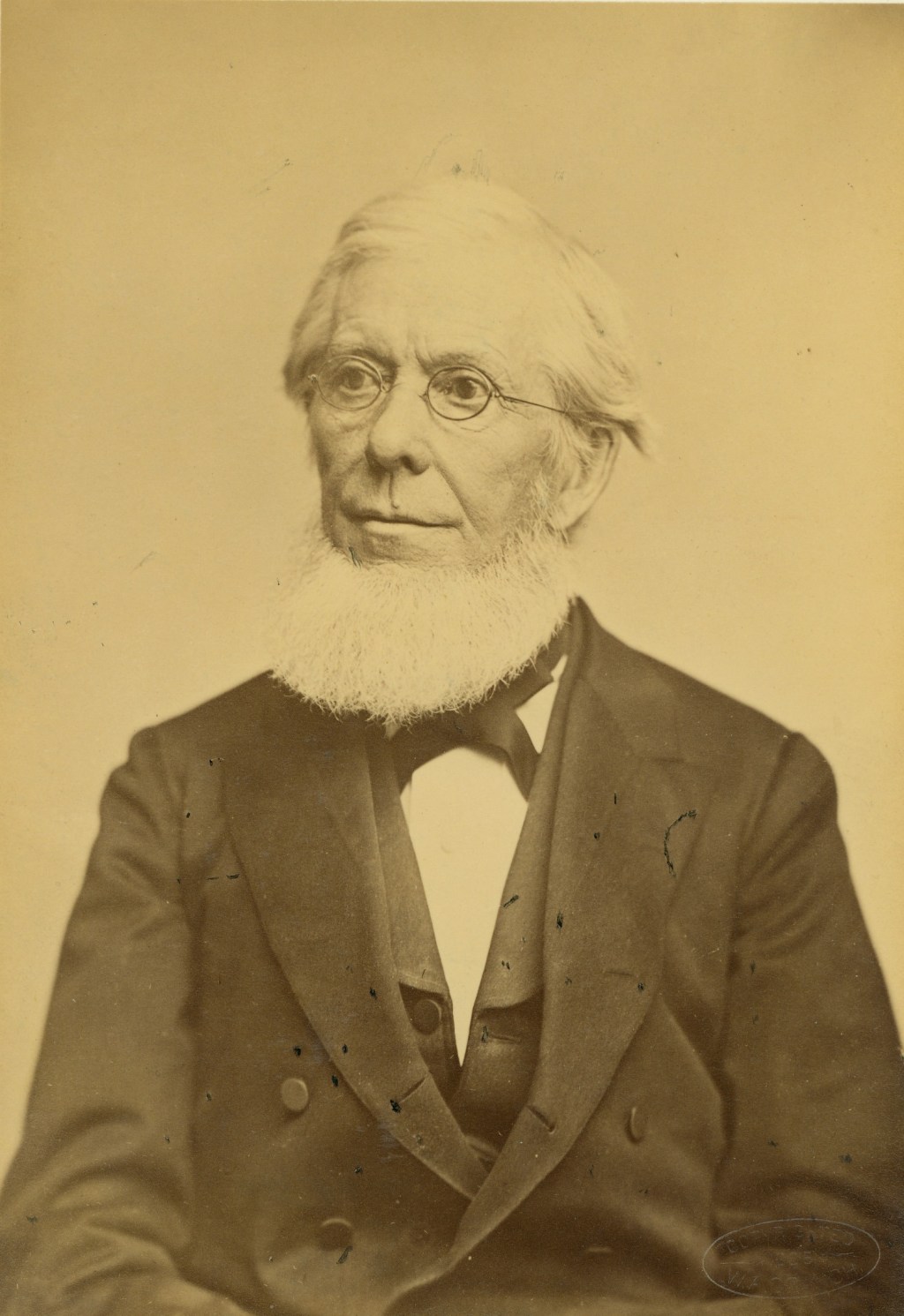
On this date, abolitionist William Greenleaf Eliot would make his final attempt to contact Archer Alexander’s enslaver Richard Hickman Pitman, of Cottleville, asking to purchase him, in order to see him emancipated.
-
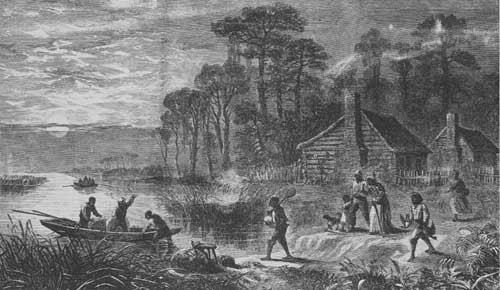
The discovery that Archer Alexander had been the informant who had passed information to the Union Troops about the Confederate’s plans, sent the whole area around Dardenne Prairie into turmoil! While the trains were halted, and the bridge repaired, everyone from Flint Hill to Naylor’s Store to Cottleville was looking for Pitman’s enslaved man….
-
Lincoln’s Emancipation Proclamation was an executive order that read “on the first day of January, in the year of our Lord one thousand eight hundred and sixty-three, all persons held as slaves within any State or designated part of a State, the people whereof shall then be in rebellion against the United States, shall be…
-
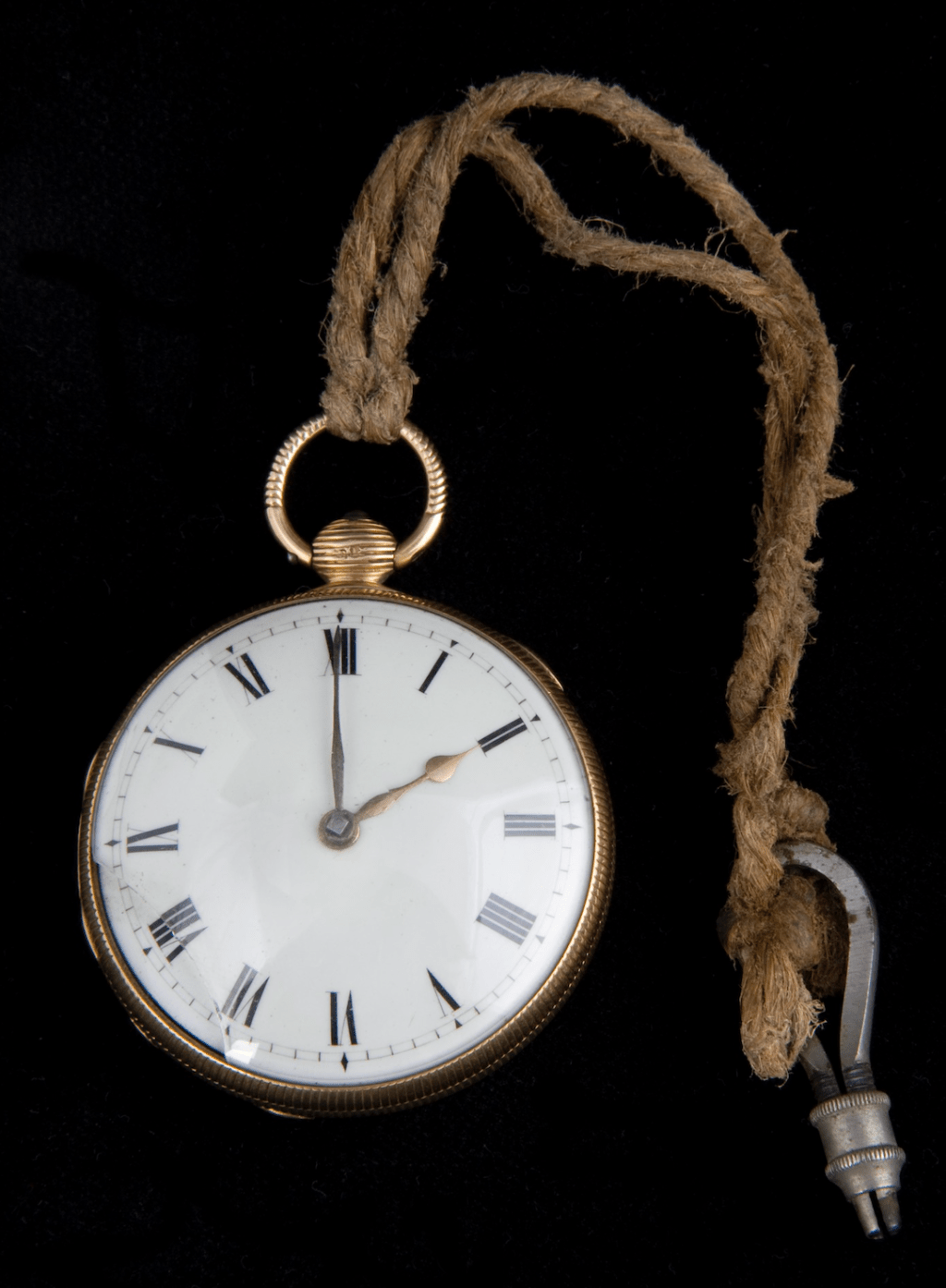
This spring, a new exhibit at the museum, titled “COLLECTED” will share Archer Alexander’s Gold Watch helping to bring his story to life once again… Read More
-
Lincoln’s Emancipation Proclamation declared all enslaved people shall be considered free on January 1, 1863. When Lincoln was assasinated on April 14, 1865, a memorial to Lincoln was erected paid for and dedicated in Washington, D.C. by the formerly enslaved. The enslaved man seen rising is Archer Alexander, the National Icon for Emancipation.
-
As we celebrate Juneteenth, we must recall the reason. The Emancipation Memorial was erected in 1876, by the formerly enslaved, and freedom seekers, to “the best friend the colored people ever had” President Abraham Lincoln. The man with Lincoln is freedom seeker Archer Alexander… read more
-
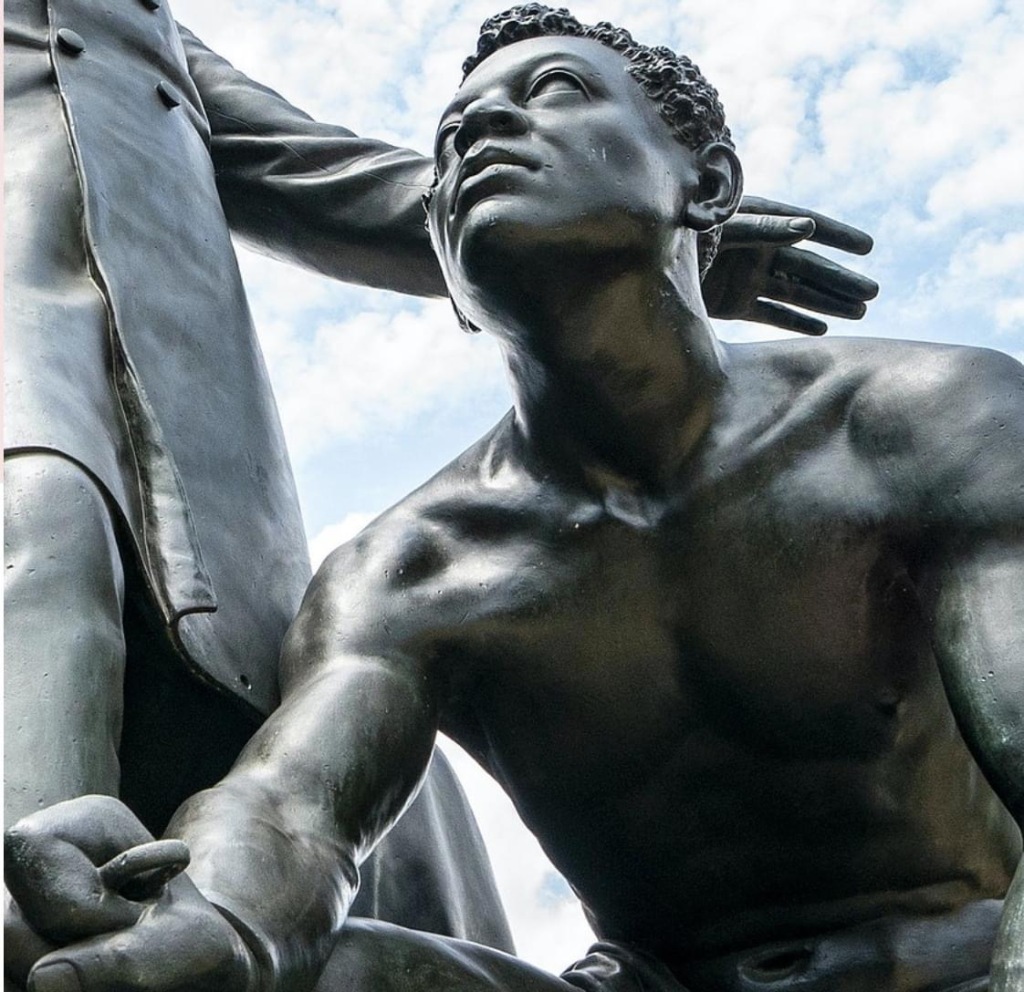
Look closely at the look on Archer Alexander’s face. Have you seen this memorial before? It was dedicated in 1876, with over 25,000 black people attending and its original name is the Freedom Memorial. It was entirely paid for by thousands of formerly enslaved black people.
-
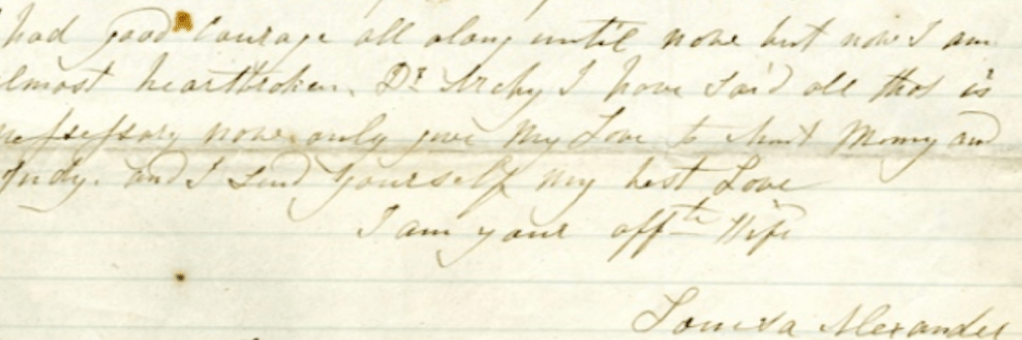
…and I send yourself my best Love, I am your affectionate wife, wrote Louisa Alexander to her husband Archer Alexander in November 16, 1863
-
Archer Alexander is the great-great-great grandfather of Muhammad Ali.
-
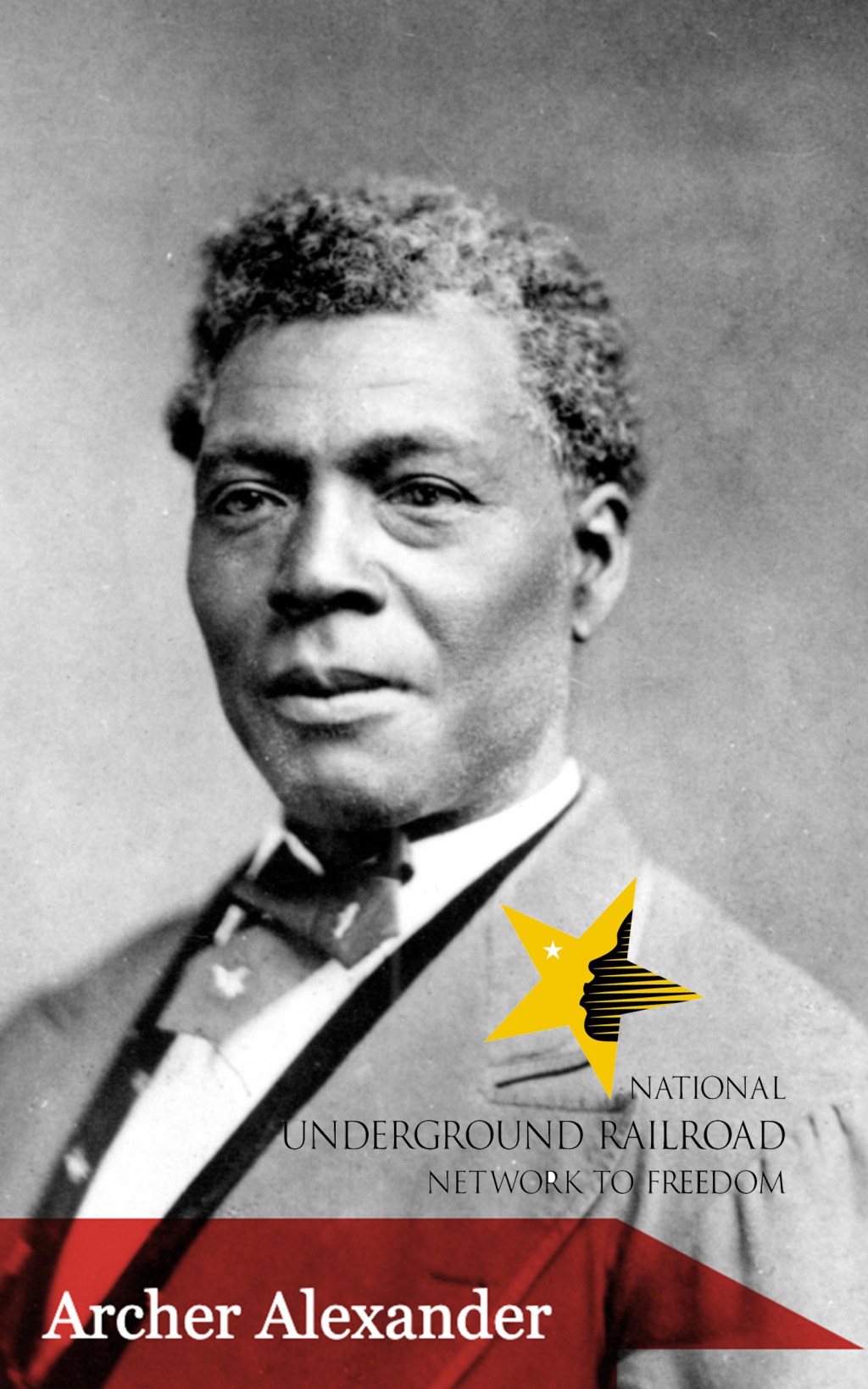
Free Virtual Program about Archer Alexander and the Underground Railroad on February 28, 2024 at 6:30 pm.
-
Archer Alexander’s burial site is listed on the National Underground Railroad Network to Freedom. Archer Alexander is the Great-Great-Great grandfather of Muhammad Ali. Dorris Keeven-Franke is an author and public historian. A professional genealogist and archivist, she shares the story of this enslaved man born in 1806 near Lexington, Rockbridge County, Virginia. Taken to Missouri…
-
Here are three well-known African American couples in St. Louis, Missouri, whose perseverance and lives as freedom seekers are well-documented, yet the history of their burials has become obscured or tangled. Sadly, none of these couples are buried with their spouses, and only by carefully examining each story are we even able to begin to…
-
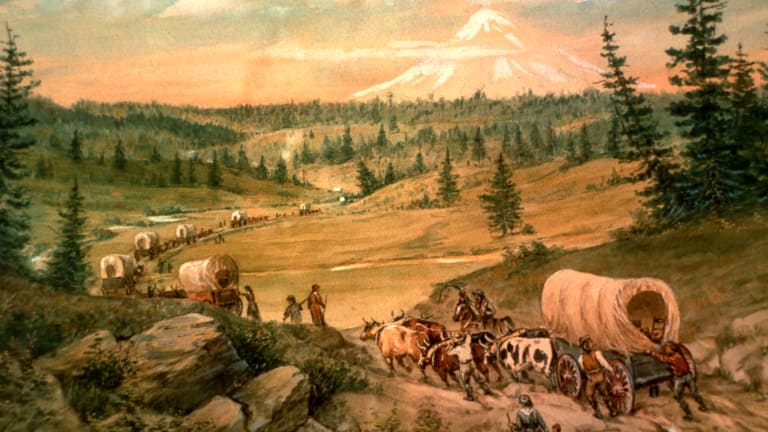
I bid adieu to numerous friends and acquaintances, all of whom professes to wish me well. Many of them sincerely, some of them from the bottom of their hearts, some deceitfully and others with indifference. I parted from many whom I respected and esteem highly. I left a numerous tribe of relatives and many old…
-
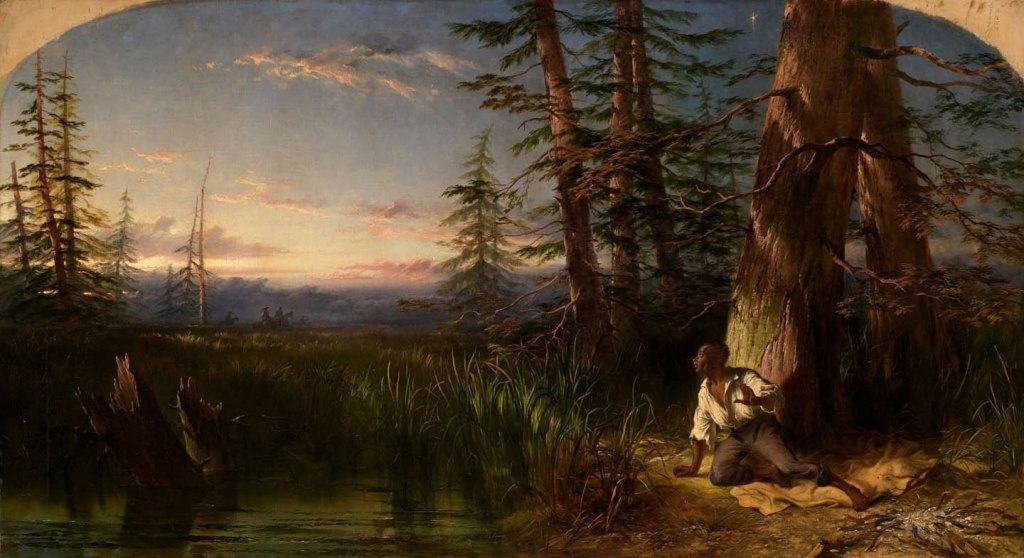
This Story Map shares Archer Alexander’s Flight to Freedom on the Underground Railroad…
-
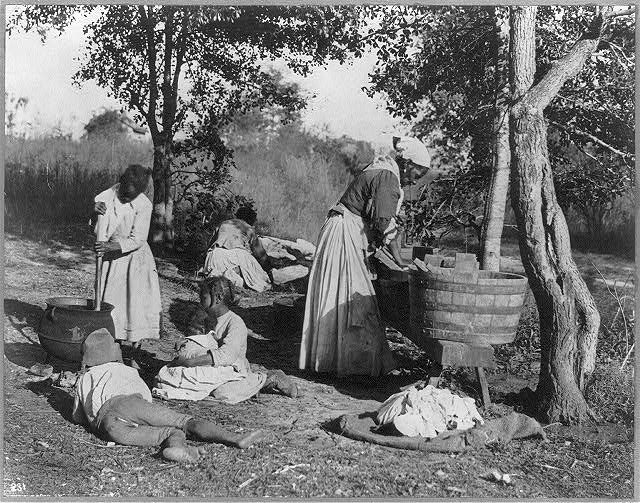
Louisa was born around 1810 to a woman enslaved by John McCluer, a Scotch-Irish Presbyterian elder in Rockbridge County, Virginia, who was also her father. When McCluer’s daughter Nancy married James Alexander in 1820, Louisa would meet Alexander’s enslaved man named Archer Alexander. Louisa and Archer would marry …
-
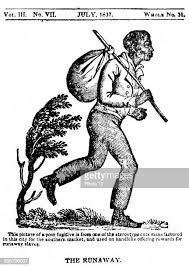
He thought to himself “Go for your freedom, ef you dies for it!'” So he held on his way right southward,.. he fell in with a party of … negro men, who, like himself, were making for freedom; [on February 17, 1863] but … they were overtaken by a band of mounted pursuers, who compelled…
-

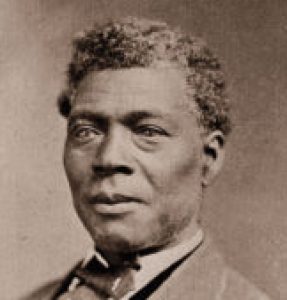
On April 14, 1876, a 70-year-old black man named Archer Alexander, would be immortalized as the man that represented the former enslaved on the Freedom Memorial in our Nation’s Capital. President Lincoln was the very man who had given him freedom …
-
On a frigid January night in ‘63, nightfall came just about dinnertime. Under the cloak of darkness, several area secesh men met in the backroom of James Naylor’s store, just north of Dardenne Creek on Boone’s Lick Road. Missouri winters can be brutal, and the windswept prairie was especially cold and windy that year. Like…
-

Archer was emancipated for “his important services to the U.S. Military forces.” He was freed by the Order of Brig. Gen. Strong, which was announced on September 24, 1863.
-
Now over 150 years later we will honor the life of this hero with two important events, on Saturday, September 24, 2022. Saint Charles City and County will recognize this hero Archer Alexander at 10 am in the morning in front of the OPO Startups at 119 South Main, where the courthouse stood in 1863.…
-
Imagine yourself enslaved in a state that is caught between two hostile forces. On a cold winter’s night in Missouri in January 1863, Archer Alexander overheard his enslaver Richard Pitman holding a secret meeting in the back room of the local Postmaster and storeowner James Naylor, in his mercantile on the Boone’s Lick Road in…
-
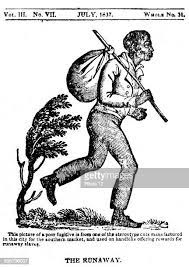
Heroes are made, not born. Archer Alexander was a hero for important services to the U.S. military forces…Read more
-
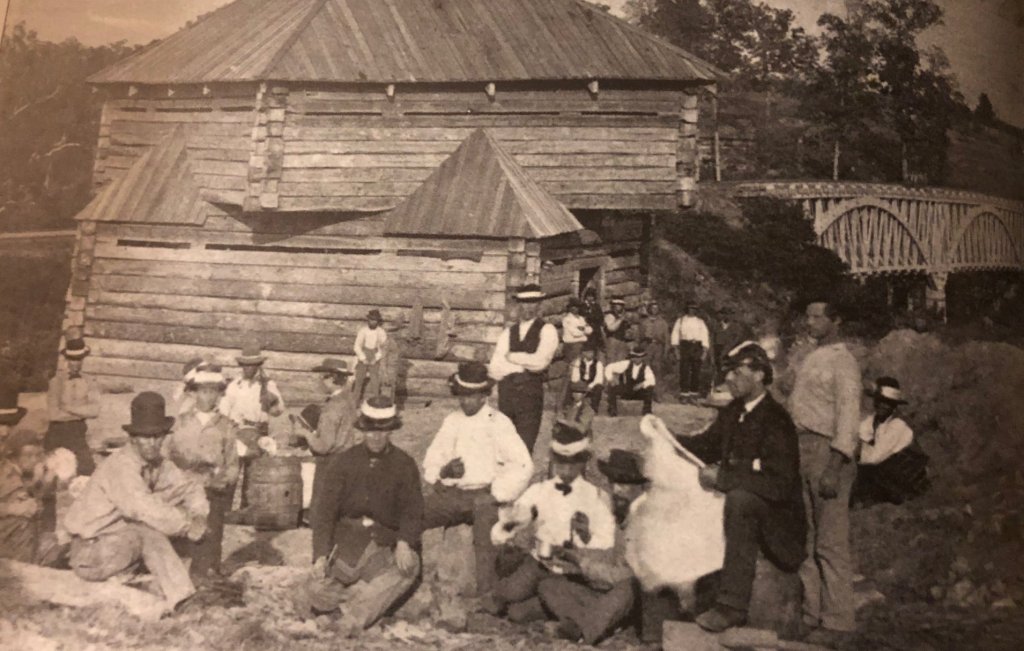
German-born Lt. Col. Arnold Krekel’s troops had built a wooden blockhouse at the bridge, where hundreds of black men and their families had established a contraband camp. As fugitives, their safety and lives depended on the Union troops’ protection.
-

After a life of enslavement, on September 24th, 1863, Archer Alexander was free at last! Nine months earlier, the freedom seeker had made a run for freedom that had nearly cost him his life. In January, Archer was visiting his wife Louisa at Naylor’s Store, where she was enslaved, when he overheard his owner and…
-
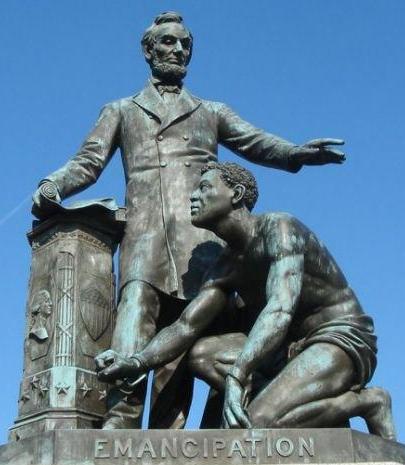
Archer was a hero in his own right, an unknown American hero, whose untold story is difficult to share yet needs to be told. Don’t you think the time is right? For more about Archer visit https://archeralexander.wordpress.com/ online anytime.
-
A recent entry in the Virginia Humanities’ Website Encyclopedia Virginia shares the story of Archer Alexander. The contributor is Dorris Keeven-Franke who is an award-winning author of books on Missouri history
-
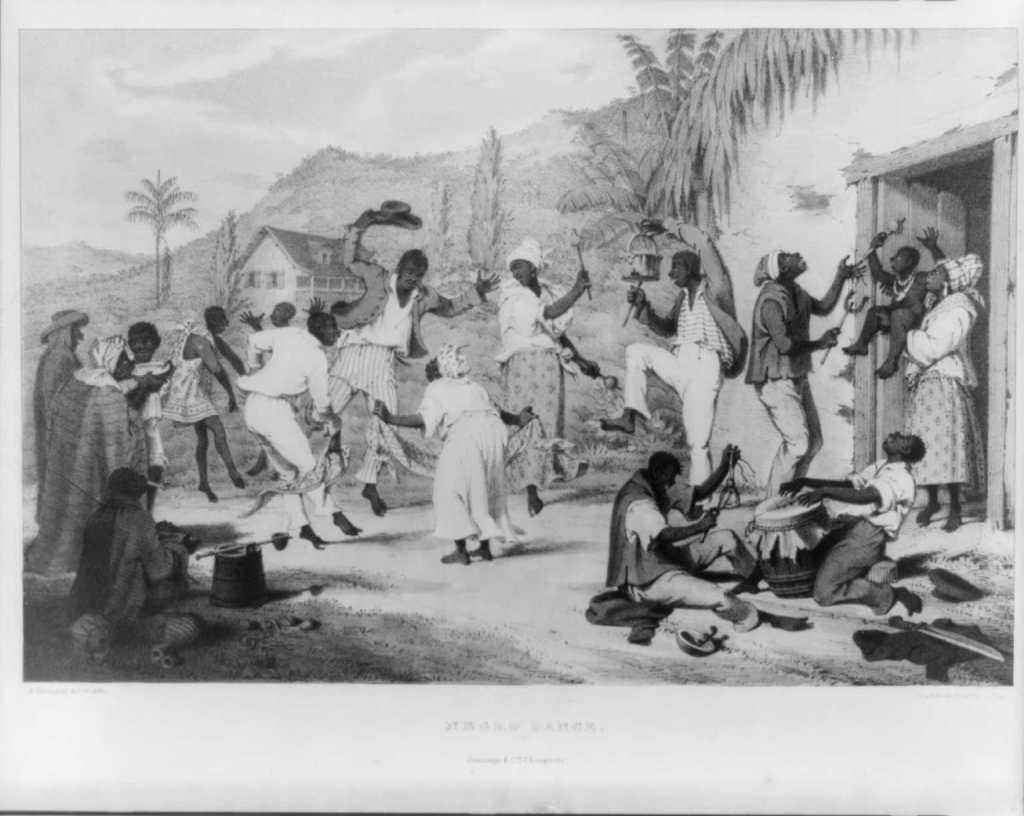
For Archer Alexander, Christmas of 1862 would be the same. For hundreds of thousands of slaves across the United States. President Abraham Lincoln’s Emancipation Proclamation was a new pathway to freedom beginning January 1st, 1863. But not for Archer Alexander and his wife Louisa…
-
This is the story of two men named James Alexander, one white, one black. One was the owner of Archer Alexander, one was his son. This son lived and died in St. Charles County.
-
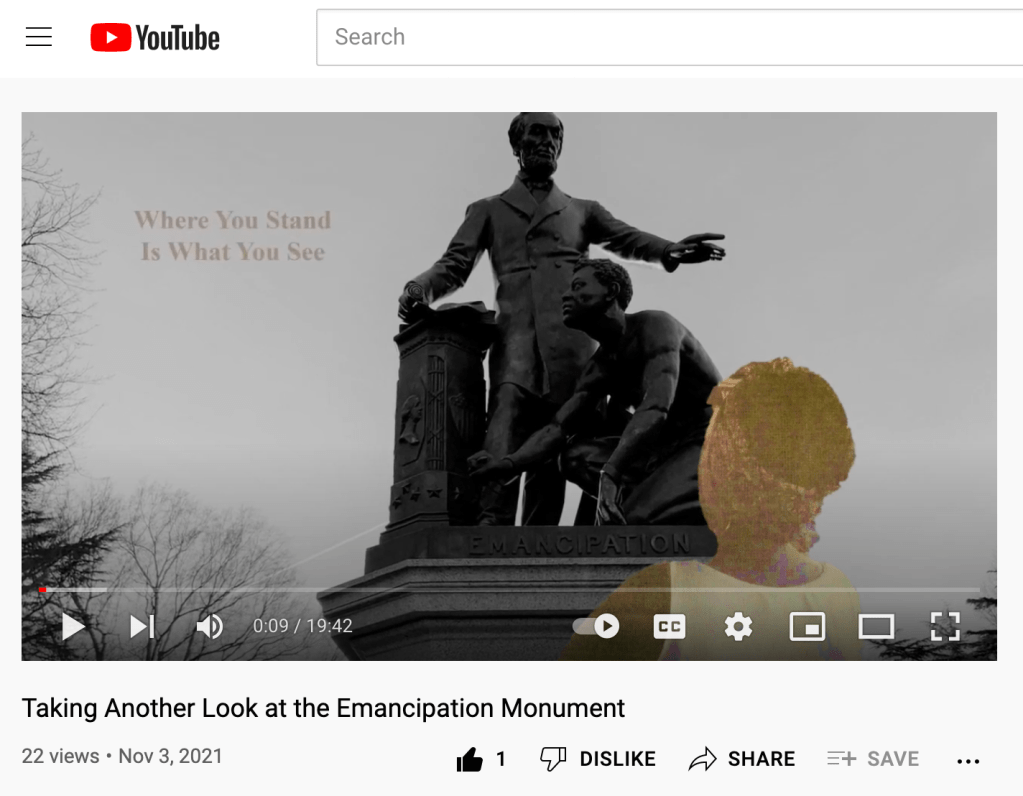
Today, we commemorate the 158th Anniversary of the Gettysburg Address. As we do this, we can also take another look at the Emancipation Monument, a memorial by all of the former enslaved, to the man who made this infamous speech, the 16th President of the U.S., Abraham Lincoln.
-
Our purpose is to share the story of these people, both white and black, who made this trek of over 800 miles, and not only the mountains and the plains that they crossed, but the rivers they followed. In 1829, they would all walk the same pathway, climb the same hillsides, and follow the same…
-
Over 600,000 heroic lives, both black and white, would be lost to bring this country to that moment. Today thousands will celebrate that moment now nationally recognized as Juneteenth.
-
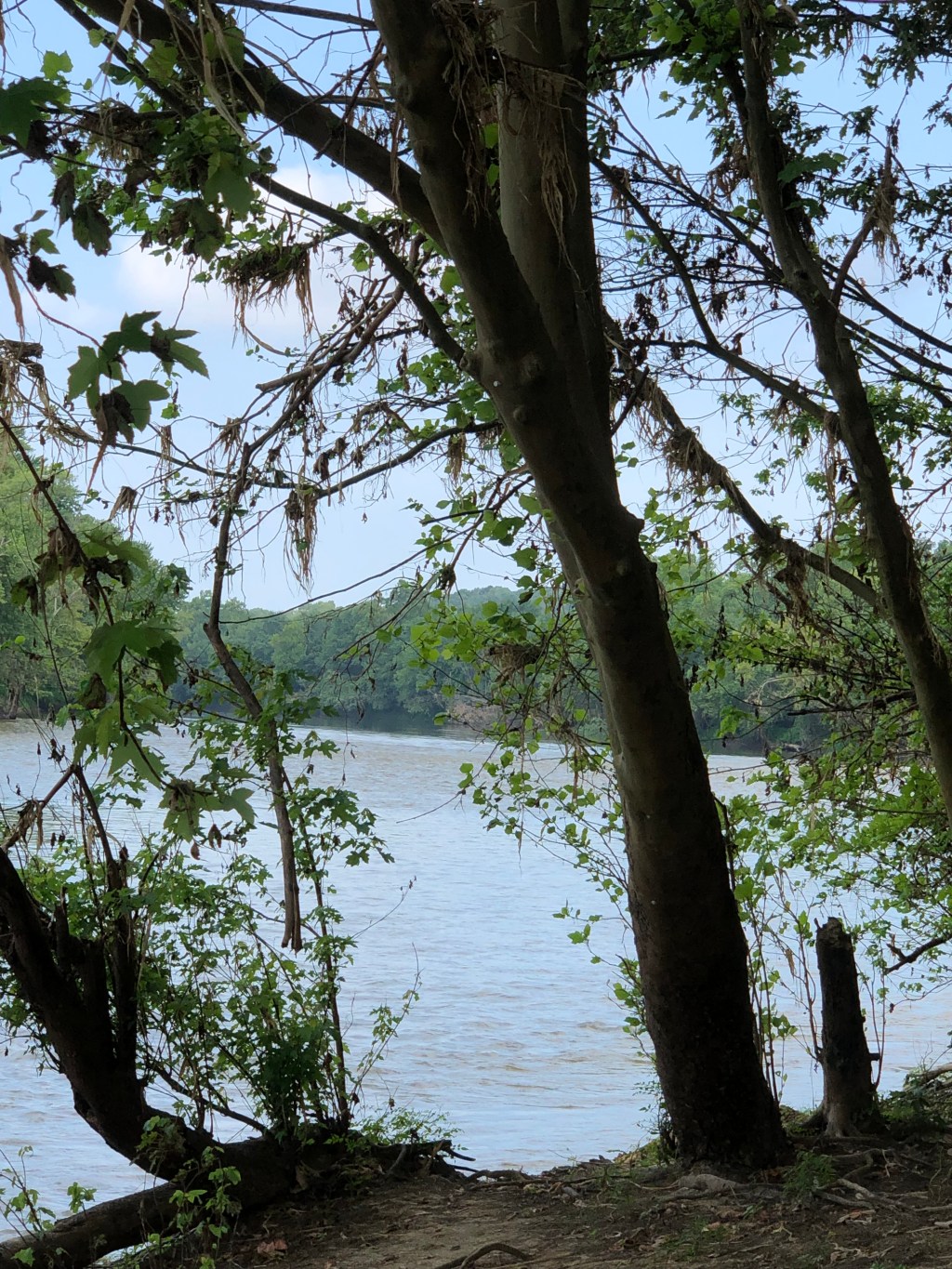
It started in New Orleans and crept upriver to St. Louis. Then spilled out along the Missouri River until it flowed up the Dardenne. In 1833, Cholera fever took Nancy Alexander, who left behind four small children, two girls and two boys, between the ages of five and eleven…
-
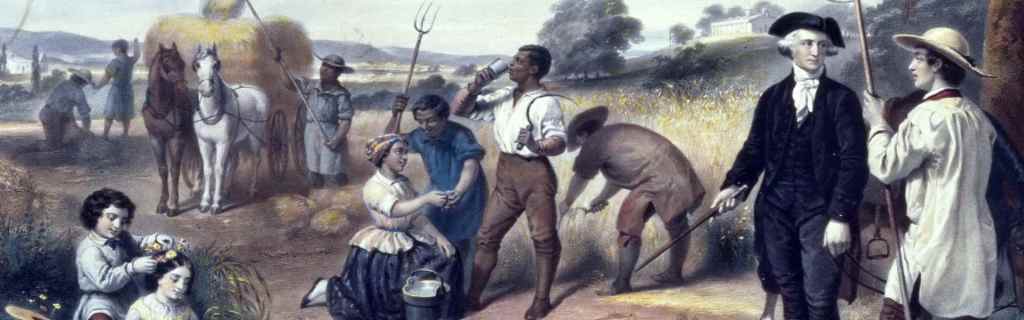
Missouri was a slave state that the great orator Henry Clay had compromised with over 10,000 enslaved people when it reached statehood.
-

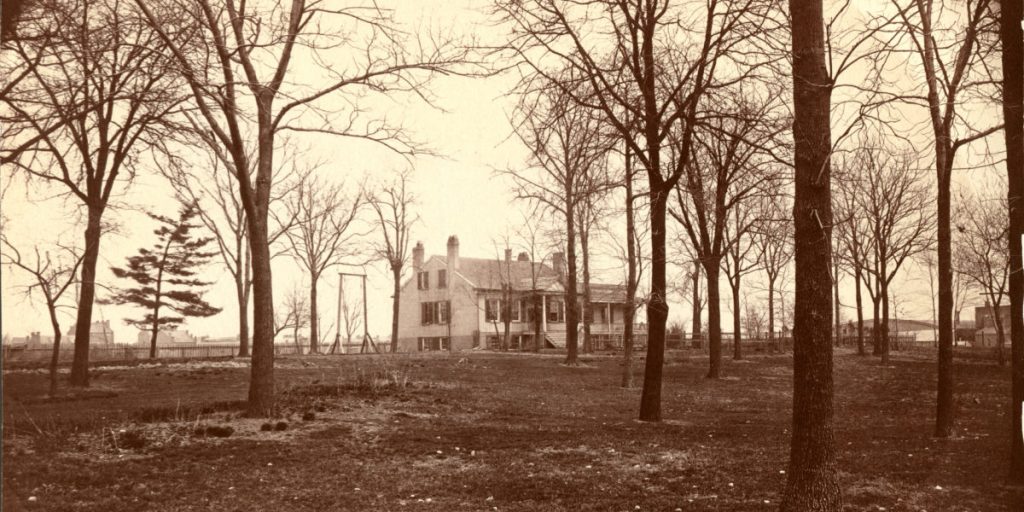
Archer’s wife was Louisa, property of Nancy McCluer, James Alexander’s wife. James and Nancy Alexander lived together with their four children in their cabin which was on the Boone’s Lick Road.
-
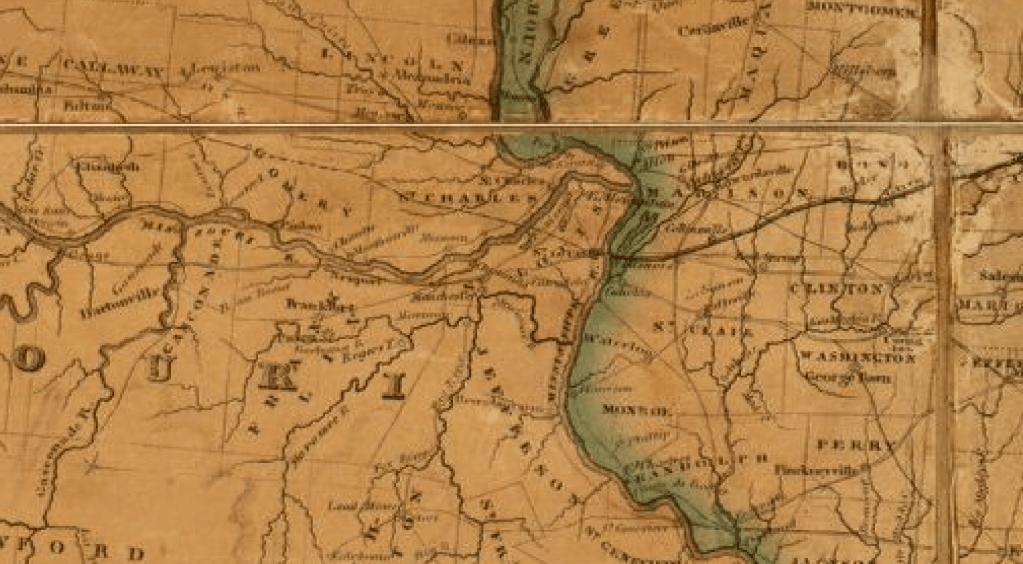
In 1829, a young enslaved man named Archer Alexander was brought to Missouri by his owner…
-
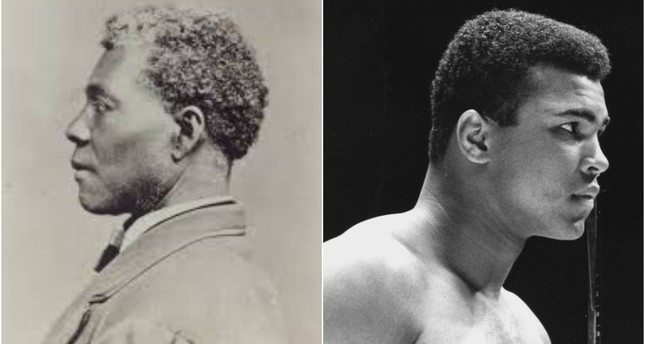
In March of 1863, Muhammad Ali’s ancestor Archer Alexander was brutally beaten and thrown in the St. Louis slave pens, to be sold south.
-
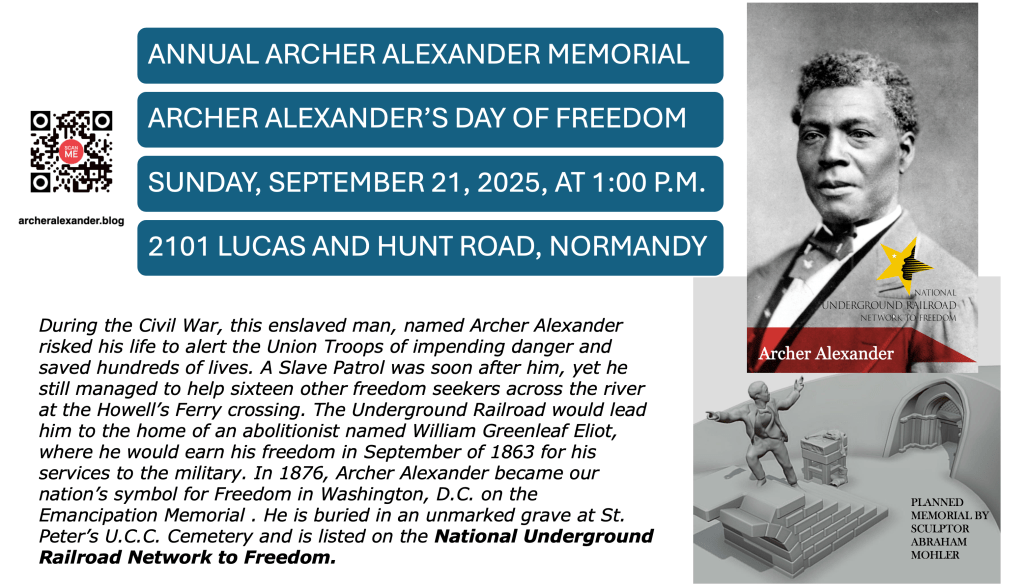
On Sunday, September 21, 2025 the public is invited to our Annual Archer Alexander Memorial service in honor of his Day of Freedom. Please join us at 1:00 p.m. in the St. Peter’s United Church of Christ Cemetery at 2101 Lucas and Hunt Road in Normandy (St. Louis) Missouri.
-
In February 1863, a freedom seeker named Archer Alexander would overhear the local Confederate men in the area, discussing their plans to destroy the Peruque Creek Railroad Bridge. They had been sawing the timbers of the huge wooden trestle, which served as a vital link for the Union Army, carrying troops, supplies and funds across…
-
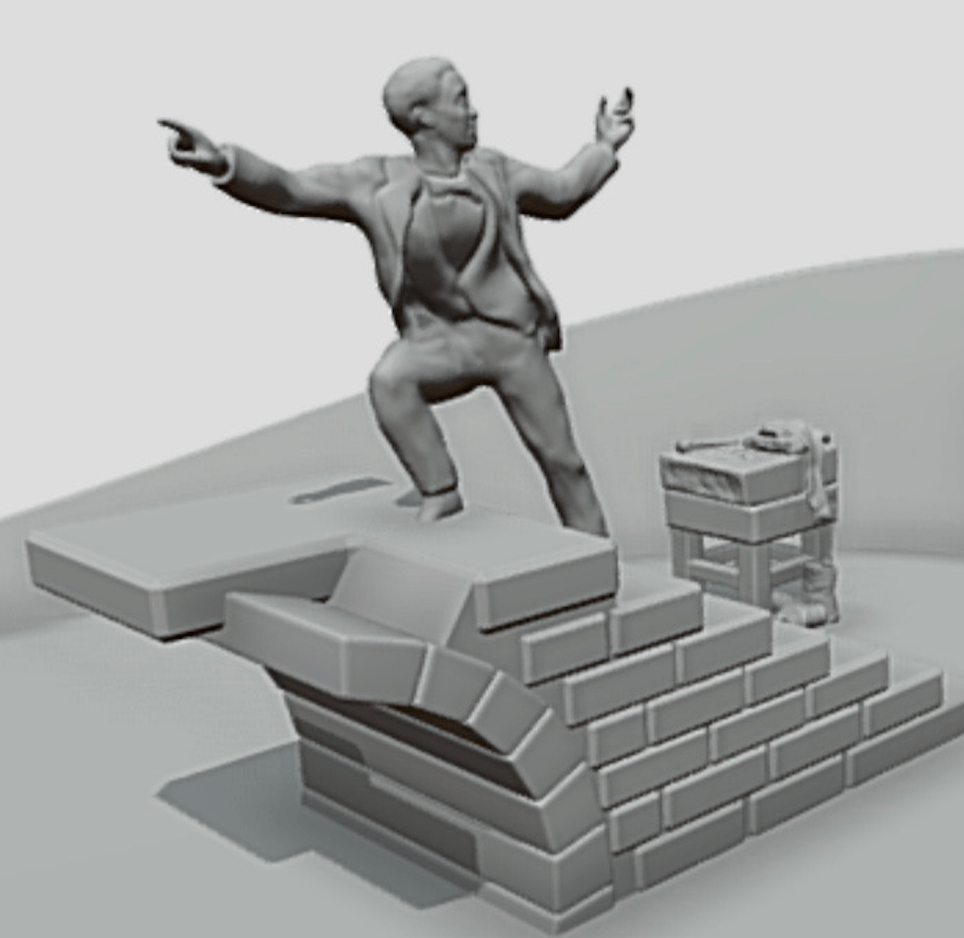
Since then, the talented sculptor Abraham Mohler has been chosen to create this memorial, that is way past due. After many discussions, the Archer Alexander Memorial will depict this man who not only resisted enslavement but was a leader among his people. Future generations will come to know the story of this real hero. His…
-
After many discussions, reviews, and thought, Abraham Mohler’s design for a new Memorial at St. Peter’s United Church of Christ Cemetery on Lucas and Hunt in St. Louis, will bring life to this American icon for Emancipation. Rejoicing in his glory of freedom, having left his enslaved life behind, he is truly rising, asking others…
-
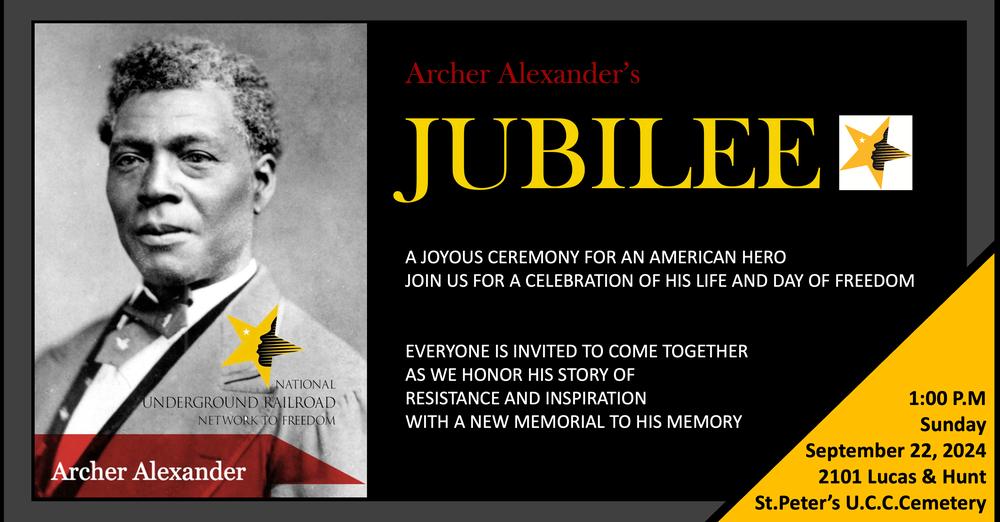
Join us as we celebrate Archer Alexander’s Day of Freedom! On Sunday, September 22, 2024 at 1:00 pm at St. Peter’s U.C.C. Cemetery (2101 Lucas & Hunt Road St. Louis 63121)
-
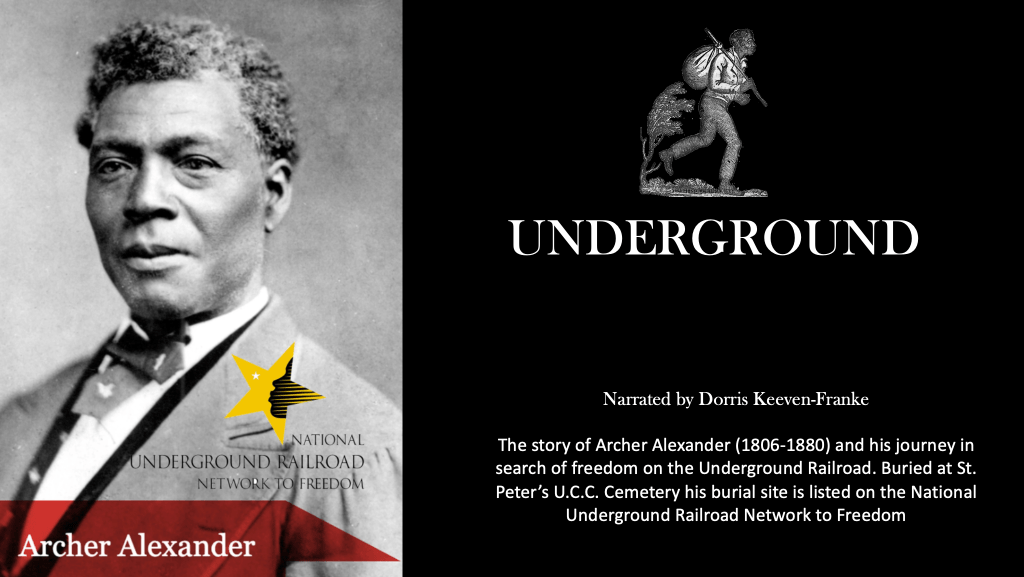
A short YouTube video shares Archer Alexander’s historic run for freedom on the Underground Railroad…
-

Come hear the story of Archer Alexander’s dangerous route to freedom on the Underground Railroad or join us at his Jubilee…
-
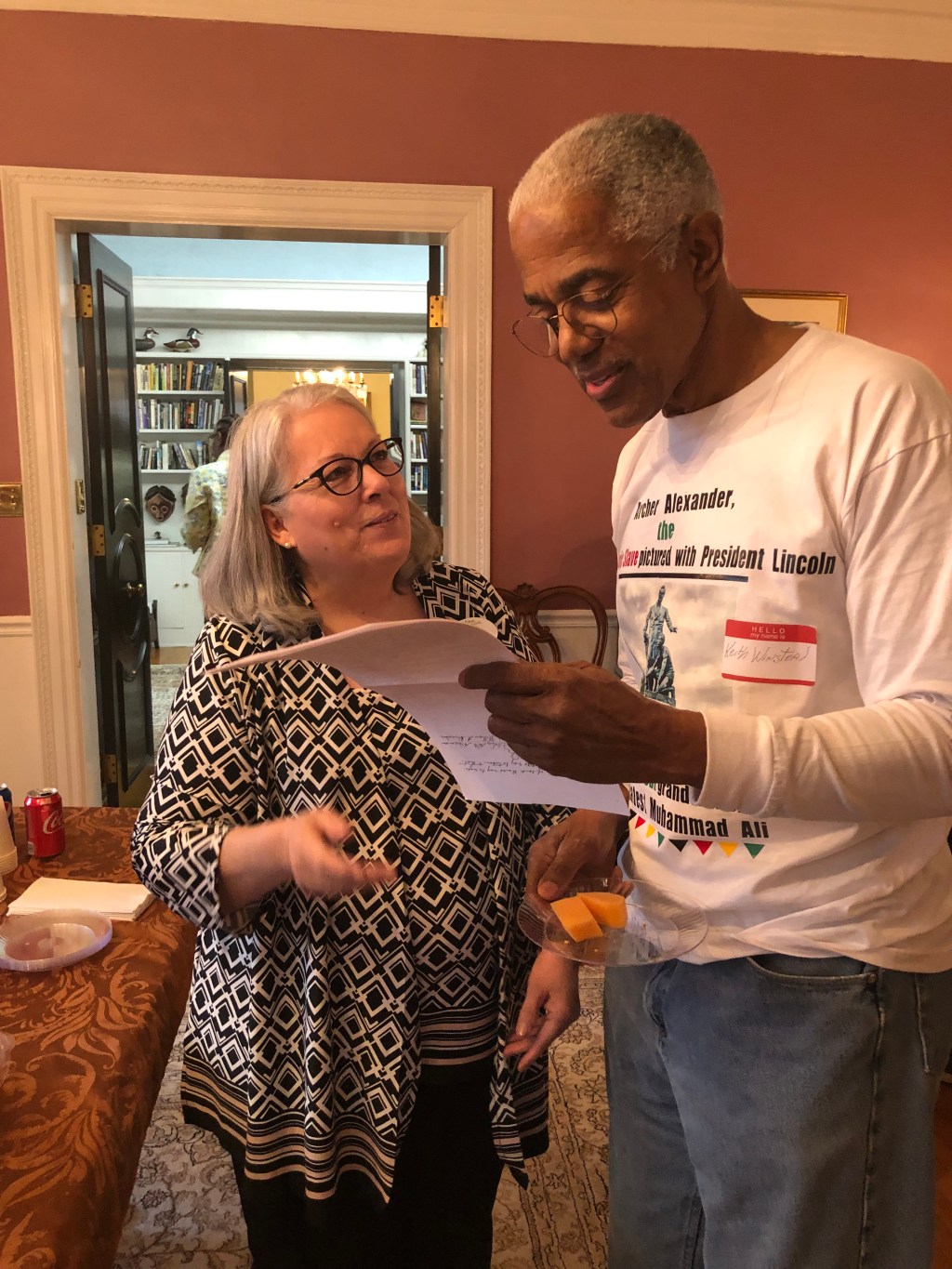
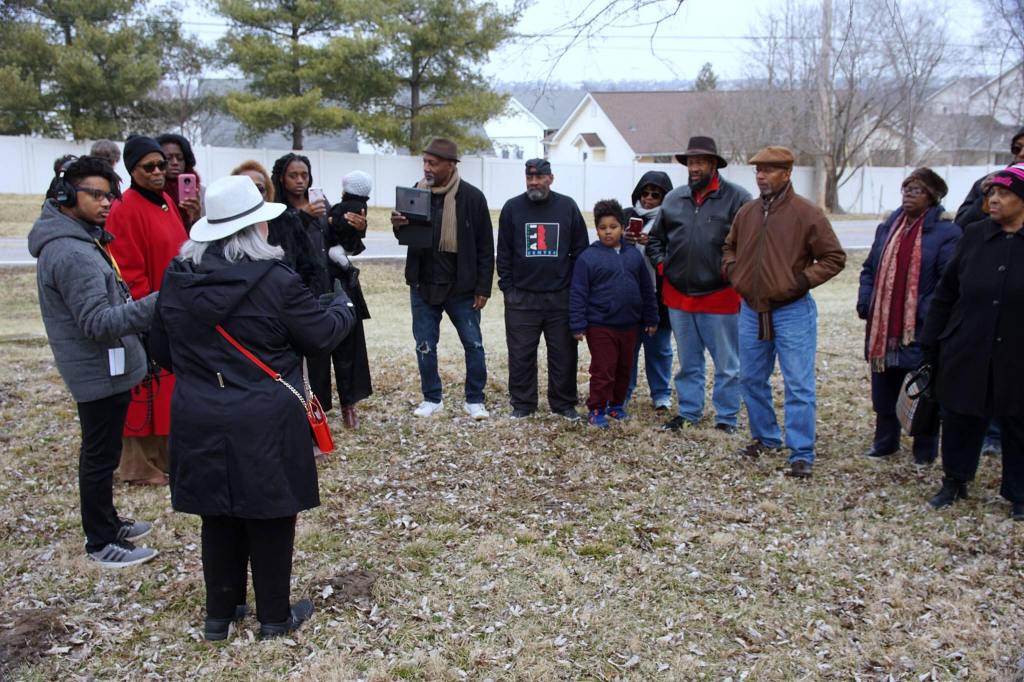
Over five years ago Bill Baumgartner, Superintendent of the St. Peter’s U.C.C. Cemetery located at 2101 Lucas and Hunt Avenue, in Normandy (St. Louis County) located the record that established that Archer Alexander is buried at St. Peters U.C.C. Cemetery in an unmarked gravesite. Read more…
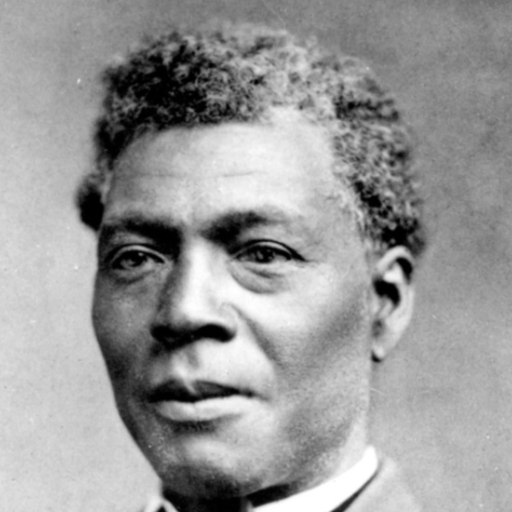
ARCHER ALEXANDER
The Last Fugitive Slave
 ARCHER ALEXANDER